When the $500 Website Stops Being a Bargain
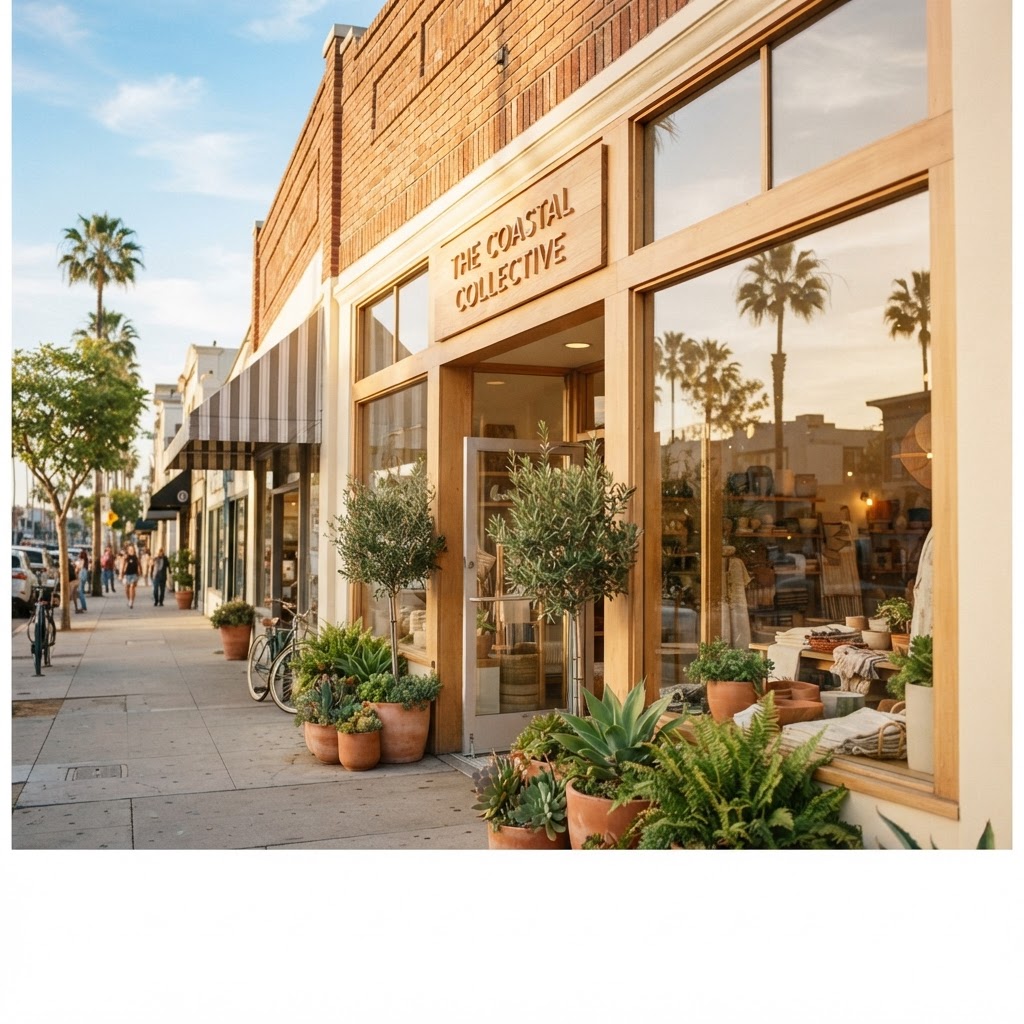
A boutique owner on Fourth Street, the stretch locals call Retro Row, once showed us the site a friend's cousin built for $500. It looked fine on a laptop. On a phone, the navigation menu didn't open, the checkout button sat off-screen, and nobody could find the store hours. She'd saved money upfront and lost it back in missed calls and confused customers who gave up and called a competitor instead. That's the pattern we see across Long Beach more than any other: the cheapest option and the most expensive mistake are often the same website.
Affordable web design isn't about finding the lowest number. It's about matching what you spend to what your business actually needs to function online, without paying for features a five-person shop near Bixby Knolls will never use.
What "Affordable" Actually Means Here
Long Beach has a wide range of small business types, and that range matters when you're pricing a website. A boutique on 2nd Street in Belmont Shore depends on walk-in traffic and Instagram-driven visits — her site needs to load fast on a phone and show current hours more than it needs a blog. A trucking or logistics company serving the Port of Long Beach has a different problem: potential clients searching for a freight partner expect to see capacity, service areas, and a way to request a quote without digging through five pages.
Both of these businesses can get a genuinely professional site for a reasonable budget. But "affordable" for the boutique and "affordable" for the logistics company point to different page counts, different features, and different price tags.
Realistic Cost Ranges
Prices vary by scope, and anyone who quotes you an exact number before asking what you need is guessing. That said, here's what typically shows up in Long Beach:
- A simple five-to-seven page site (home, about, services, contact, maybe a gallery) usually runs $1,500 to $3,500 when built by a small local firm or an experienced freelancer.
- A site with online booking, a menu system, or basic e-commerce tends to land between $3,500 and $7,500, depending on how much custom work the booking or payment flow requires.
- Ongoing hosting and maintenance, if you want someone else handling updates and security patches, usually falls between $50 and $200 a month.
DIY builders like Squarespace or Wix can bring the upfront cost down to a few hundred dollars plus a monthly subscription, but you're trading dollars for your own time, and the result depends heavily on how comfortable you are with design decisions.
A Five-Step Framework Before You Spend Anything
- Write down the three actions you want a visitor to take — call, book, order, or visit. If you can't name them, you're not ready to brief a designer.
- Count your real page needs. Most small businesses need far fewer pages than they think.
- Decide if you need ongoing changes (new menu items, new service listings) or if the site is mostly static once launched. This changes whether you need a content management system at all.
- Check what your direct competitors in Long Beach are doing online, not to copy them, but to see what customers already expect.
- Get two or three quotes with the same scope described to each person, so you're comparing like against like instead of apples against a vague promise.
Where the Budget Should Actually Go
If money is tight, spend it in this order: a mobile-friendly layout, a fast-loading homepage, accurate contact information and hours, and real photos of your actual business rather than stock images. A shop in the East Village Arts District competing for foot traffic from gallery visitors loses more from a blurry stock photo of a generic storefront than from a slightly plain color scheme.
SEO basics — a claimed Google Business Profile, consistent name and address information, and a few locally relevant pages — matter more for most Long Beach small businesses than flashy animation or video backgrounds. Nobody has ever called a shop because of a parallax scrolling effect.
Mistakes We See Local Businesses Make
Restaurants near the Pine Avenue corridor sometimes build a beautiful site and forget to list current hours or link a working reservation system, which means customers assume the place is closed. Retail shops frequently build a site around desktop viewing and never test the mobile checkout flow, even though most local shoppers are browsing on a phone while walking down the block. Service businesses, especially ones working out toward the Traffic Circle or Signal Hill, often skip a clear service-area description, leaving potential customers unsure if they're even eligible for a quote.
Another recurring mistake: choosing a template built for a national chain when your business depends on a specific neighborhood identity. A dive shop or surf shop near the water sells on local character as much as on product. A generic corporate template undercuts that.
Finally, businesses sometimes treat the website as a one-time purchase rather than something that needs occasional attention. A site that hasn't been touched in three years, with outdated hours or a defunct phone number, actively hurts you more than having no site at all.
DIY Platforms vs. Hiring Someone Local
A DIY builder makes sense if your business is simple, you have time to learn the platform, and your main goal is just having a basic presence with accurate information. It stops making sense once you need custom booking logic, integration with inventory systems, or a design that actually differentiates you from the five other shops using the same template on the same street.
Hiring locally has a specific advantage in a city like Long Beach: someone who understands that a business near the Convention Center has different traffic patterns than one in Naples, or that a seasonal tourist spike near the Aquarium area changes what content matters in June versus January, will build a site that reflects how your actual customers behave.
How Long the Process Should Realistically Take
A straightforward small business site usually takes two to four weeks from signed agreement to launch, assuming you provide photos, text, and feedback promptly. Sites with custom booking or e-commerce functionality often take six to ten weeks. Anyone promising a fully custom site in three days is either reusing a template heavily or cutting corners you'll discover later.
Talk Through Your Specific Situation
Every business on this list of patterns — the boutique, the logistics company, the restaurant, the service provider — needs a slightly different approach, and a short conversation usually clarifies the right scope faster than a long form. Call (818) 753-9018 if you want to talk through what a realistic, right-sized website looks like for your Long Beach business. There's no obligation attached to the call, just a chance to get specific numbers instead of general ranges.